Reviews

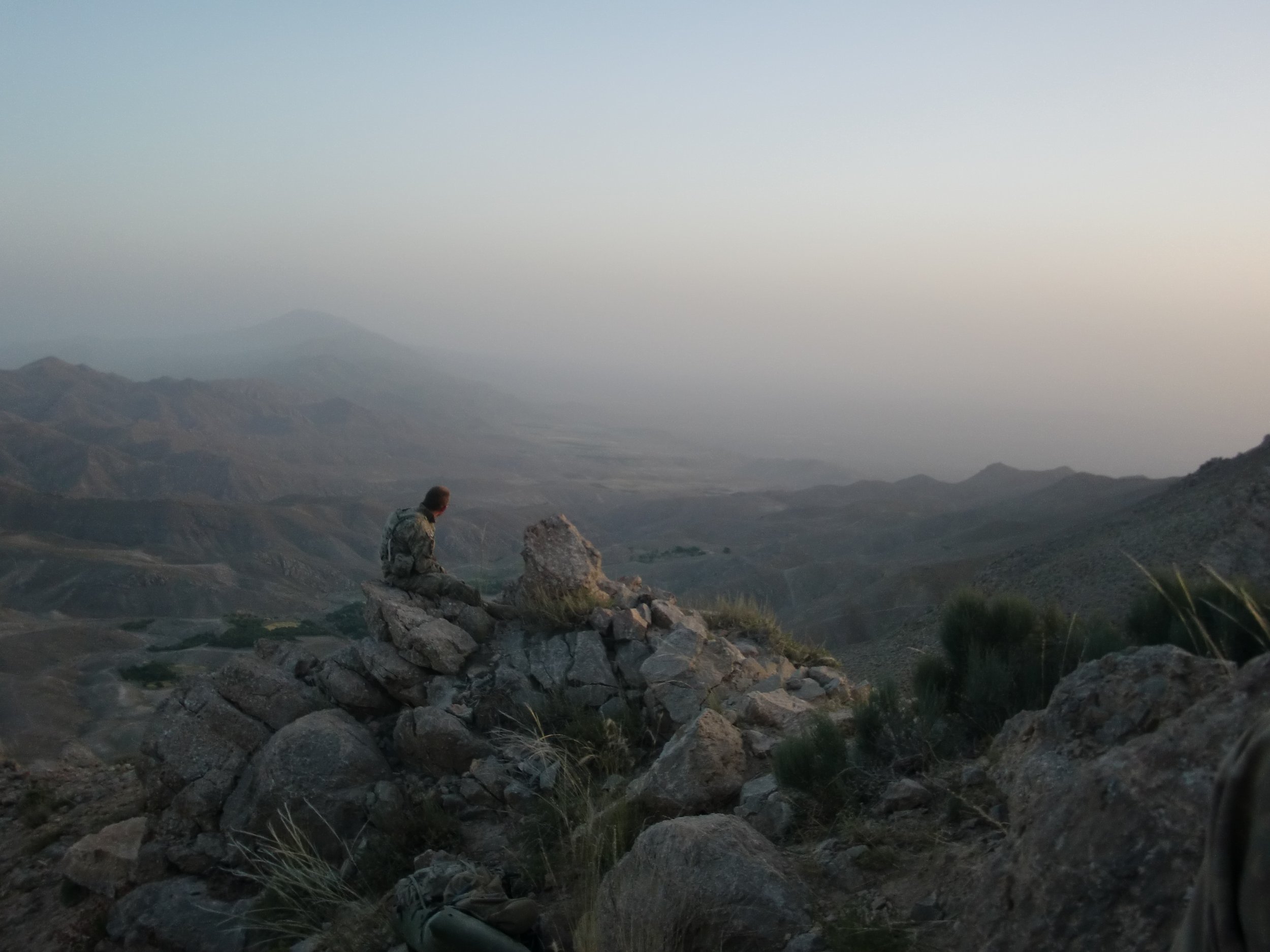
This morally urgent memoir traces the human cost of America’s longest war through the lives of Abdulhaq Sodais, an Afghan interpreter, and Spencer Sullivan, the U.S. Army officer he served beside. Structured in alternating perspectives, the book begins in Taliban-controlled Herat, where Sodais’s childhood is defined by the sharp edges of extremism and fear. As Sodais becomes an interpreter for U.S. forces, he forges a bond with Sullivan—sharing meals on jagged mountaintops and building trust under fire. After Sullivan returns home, Sodais—like thousands of Afghan allies—is promised a Special Immigrant Visa, only to be betrayed by a system that nullifies his 28 months of work over a minor, disputed infraction, leaving him marked for death by the Taliban.
The book’s emotional core lies in Sodais’s seven-month, $15,000 exodus from Herat to Germany, where the refugee crisis becomes a terrifying reality. He describes “the game”—the refugee euphemism for illegal crossings—with harrowing immediacy: beatings by smugglers, incarceration in Crete, and the indignity of hiding in cargo trucks. Sodais’s chapters are stark and embodied, grounded in trauma and the constant threat interpreters face as “traitors,” while Sullivan’s voice is measured, dissecting the ethical compromises of command. Their juxtaposition is devastating. In a moment of supreme irony, Sullivan realizes he is honeymooning in Greece at the very moment Sodais is fleeing the country illegally through the same airport. Together, both narratives show what it means to risk everything for a foreign power whose protection can evaporate without explanation.
Though some military detail may feel dense, it sharpens the book’s indictment: bureaucracy is never neutral when lives are at stake. The narrative pulls no punches regarding the systemic failures of the U.S. government, standing as a poignant revelation of the enduring debts of war—one that follows its story from battlefield to the dislocation of exile, carrying its ethical questions far beyond Afghanistan.
Takeaway: Striking portrait of unlikely friendship forged in war and faulty American promises.